The Original American
Who Is
Brother Jonathan?
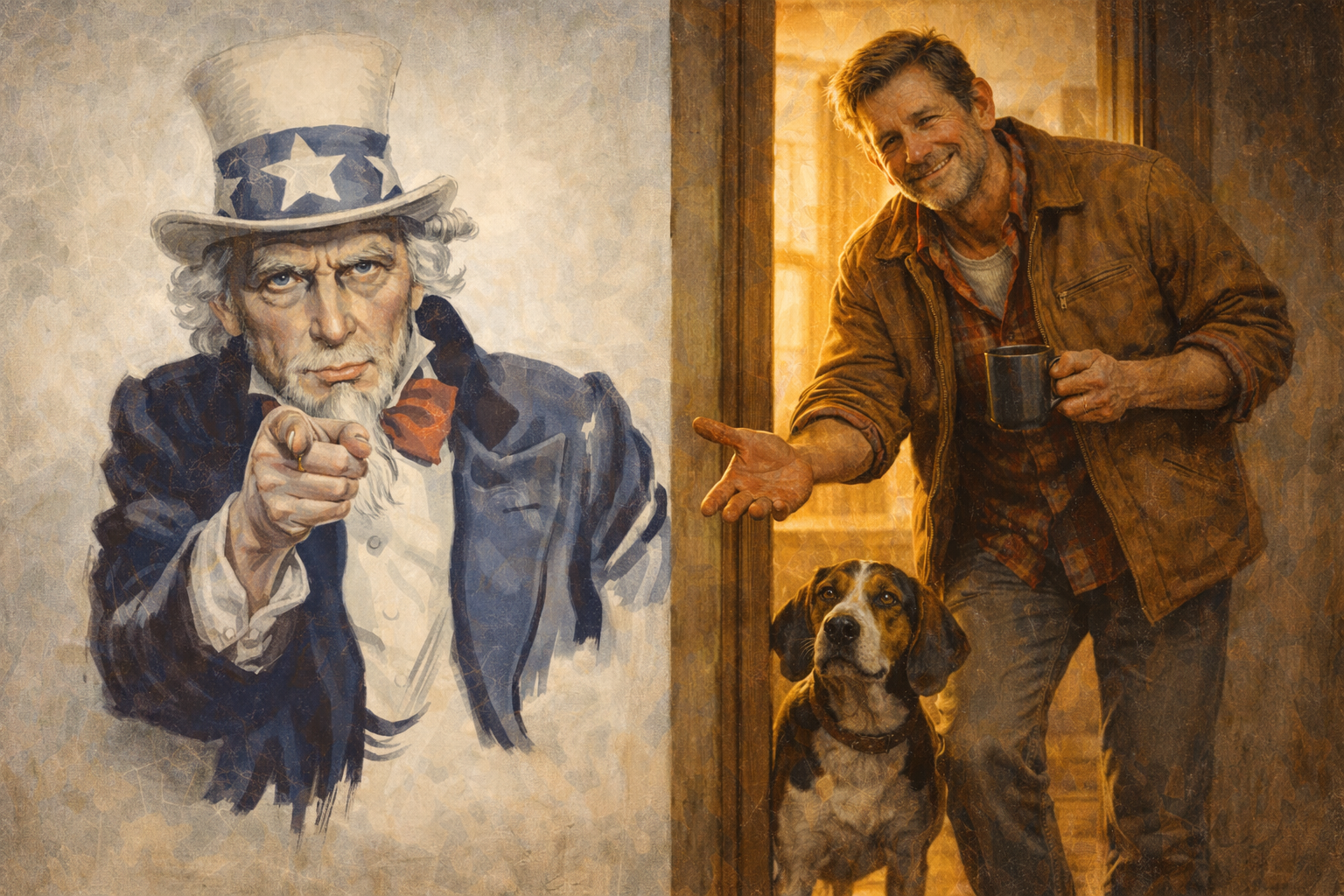
He was America's first folk hero. Before Uncle Sam pointed a finger, Brother Jonathan read the room.
The Original American
He was America's first folk hero. Before Uncle Sam pointed a finger, Brother Jonathan read the room.
The Origin
The name started as a slur. During the English Civil War in the 1640s, supporters of the Crown used "Jonathan" as a derogatory name for the Puritans — the religious dissidents who dared to oppose royal authority. When those dissidents sailed to America, the insult followed them.
By the 1760s, the British were using "Brother Jonathan" to mock the American colonists — the upstart provincials who didn't know their place. It was meant to diminish. The colonists did what Americans do best: they took the insult and made it a badge of honor.
The most persistent origin story connects the name to Jonathan Trumbull, the Governor of Connecticut and the only colonial governor to support the Revolution. When George Washington faced impossible supply shortages, he reportedly said, "We must consult Brother Jonathan" — meaning Trumbull, but also meaning the resourceful American citizen who could solve problems the government couldn't.
"They meant it as an insult. We wore it as a uniform." Brother Jonathan
The Timeline

The Difference
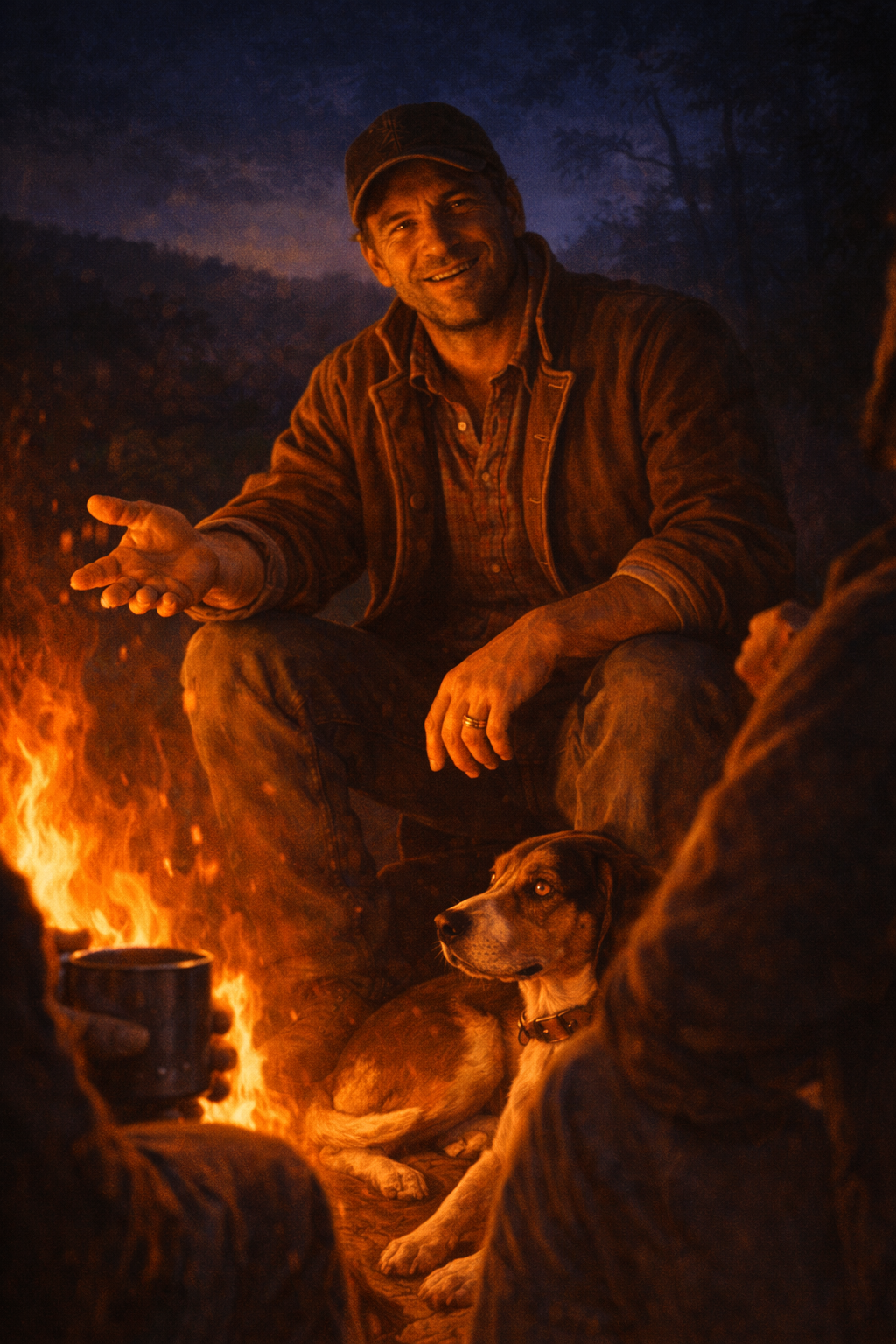
They are not the same character. They never were. Understanding the difference is understanding what America lost.
"Sam shows up when the government needs something from you. I show up when you need something from the government." Brother Jonathan
The Character
In the original stories, Brother Jonathan was a trickster — not a con man, but the one who beat every con. He outsmarted the British. He outmaneuvered the bankers. He found the loophole in every scheme designed to rob the working man.
He was always depicted as plain-looking but sharp — a working man in simple clothes who could read a contract faster than a lawyer, build a barn faster than a foreman, and tell a joke that made the king's men look foolish. Competence, wit, and decency wrapped in common sense.
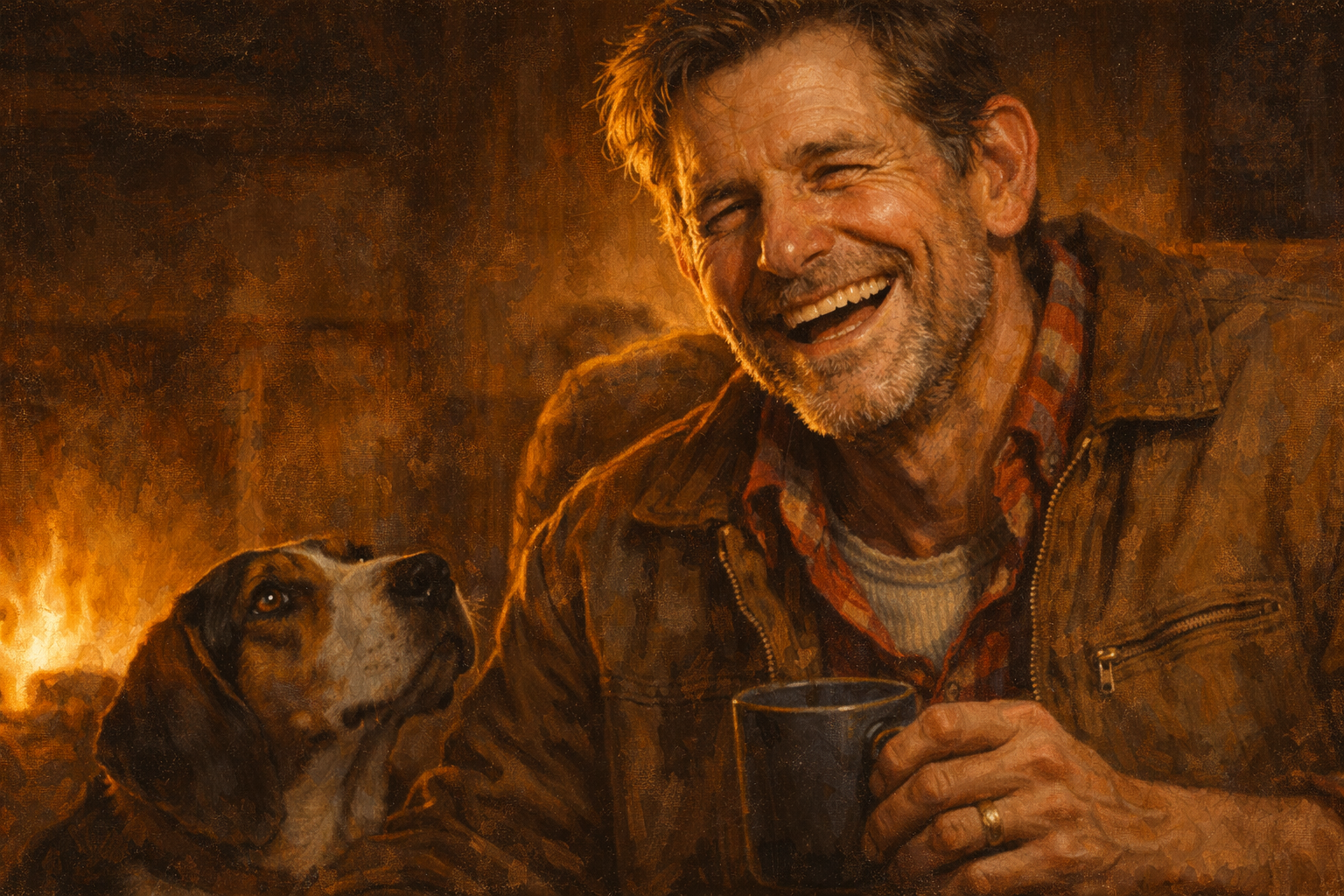
His modern incarnation carries the same DNA: a mid-40s man in a canvas jacket and wool vest, reading glasses that come out when the fine print does, and a Treeing Walker Coonhound named Bunker who knows something's wrong before the paperwork confirms it.
He doesn't shout. He doesn't threaten. He reads, he thinks, and then he tells his neighbor what he found.

Brother Jonathan read the fine print on modern America. He'd like a word.